By Andia Chakava, Managing Partner, Afrishela


Africa is at a defining financial moment. Across the continent, pension funds collectively hold an estimated USD 1.4 trillion in assets, patient capital with the power to shape not just retirements, but the future of development itself.

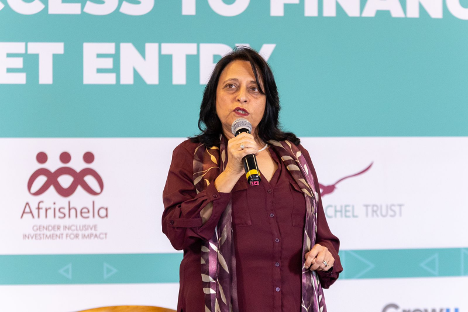
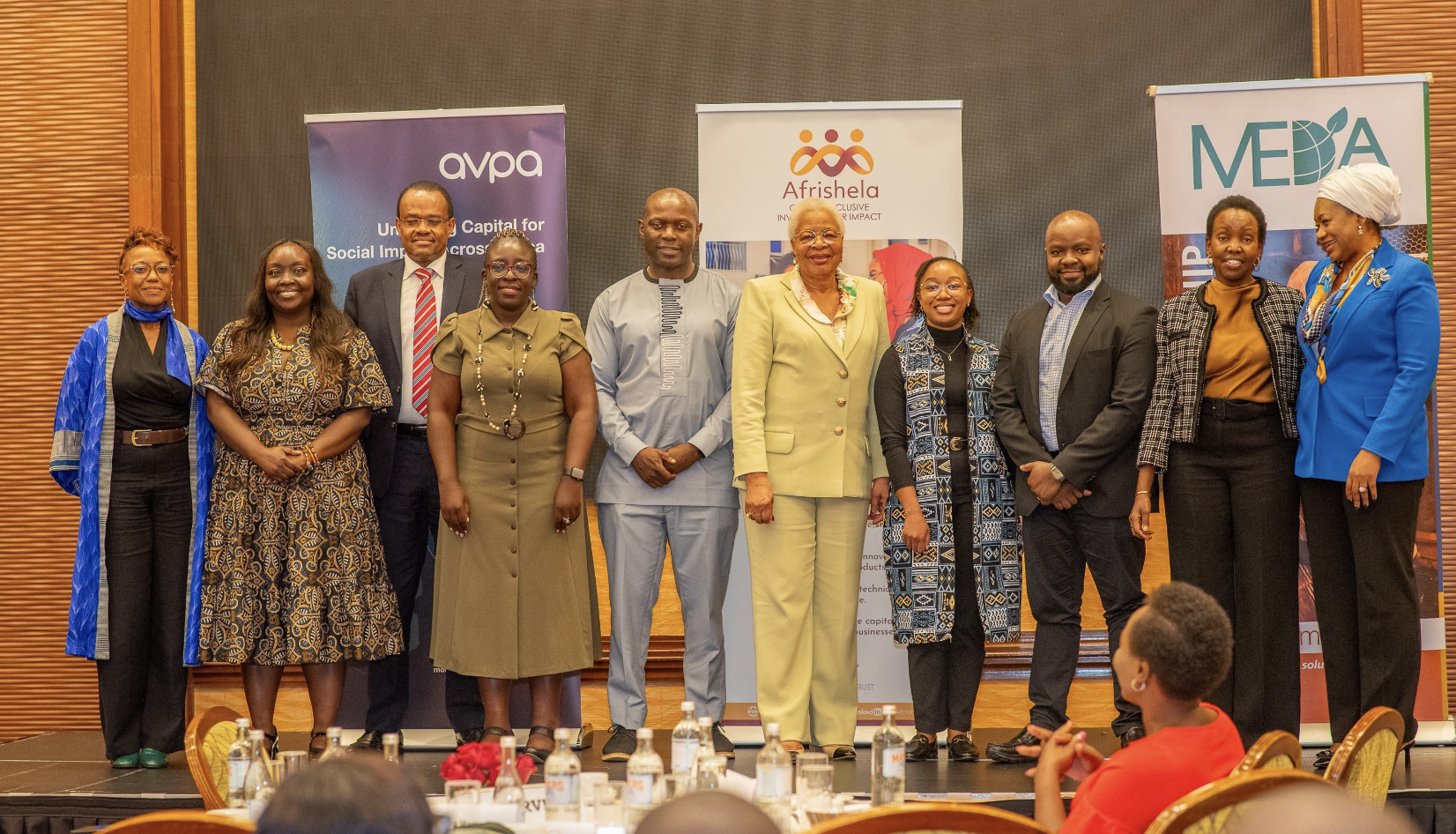
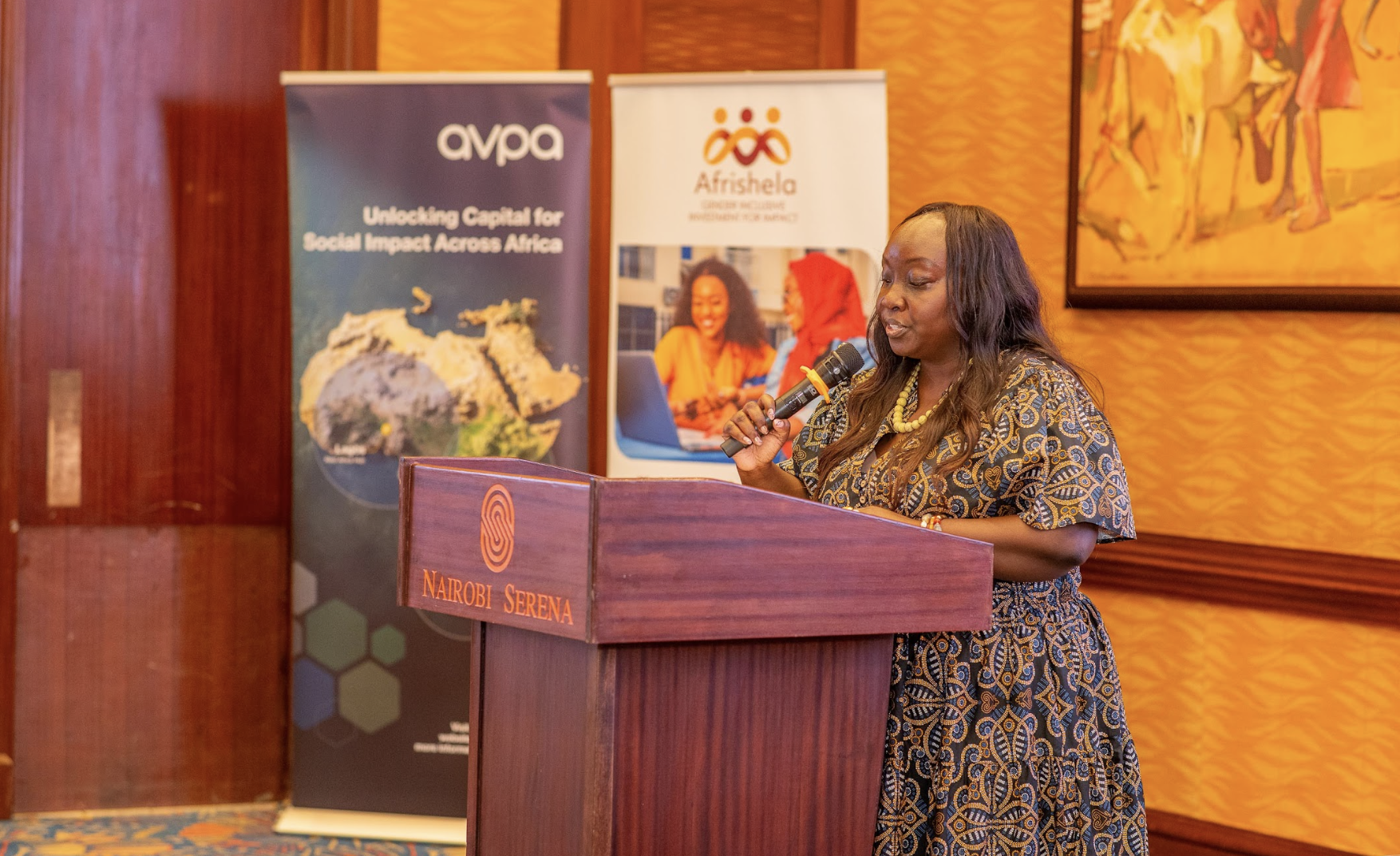
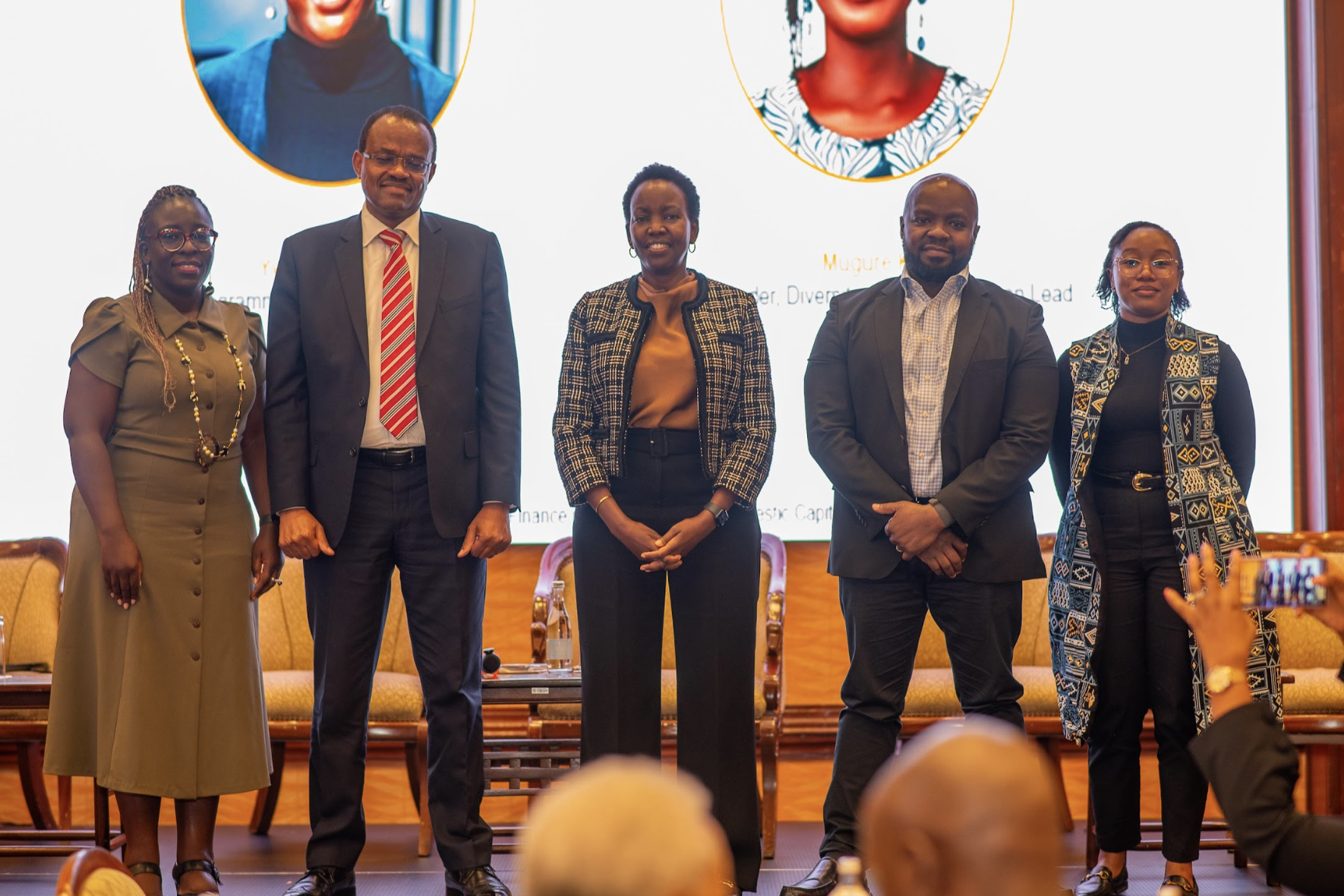
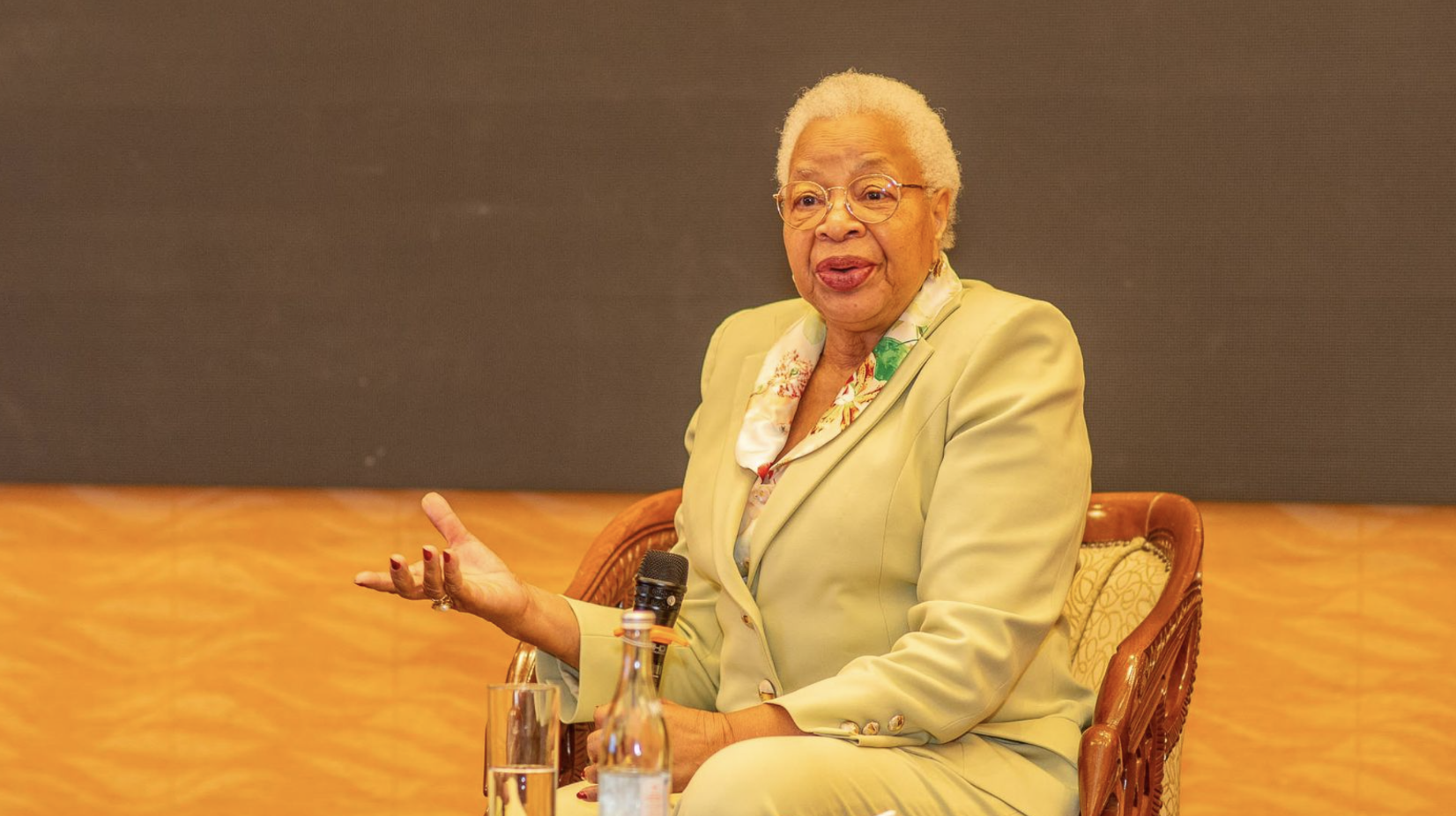
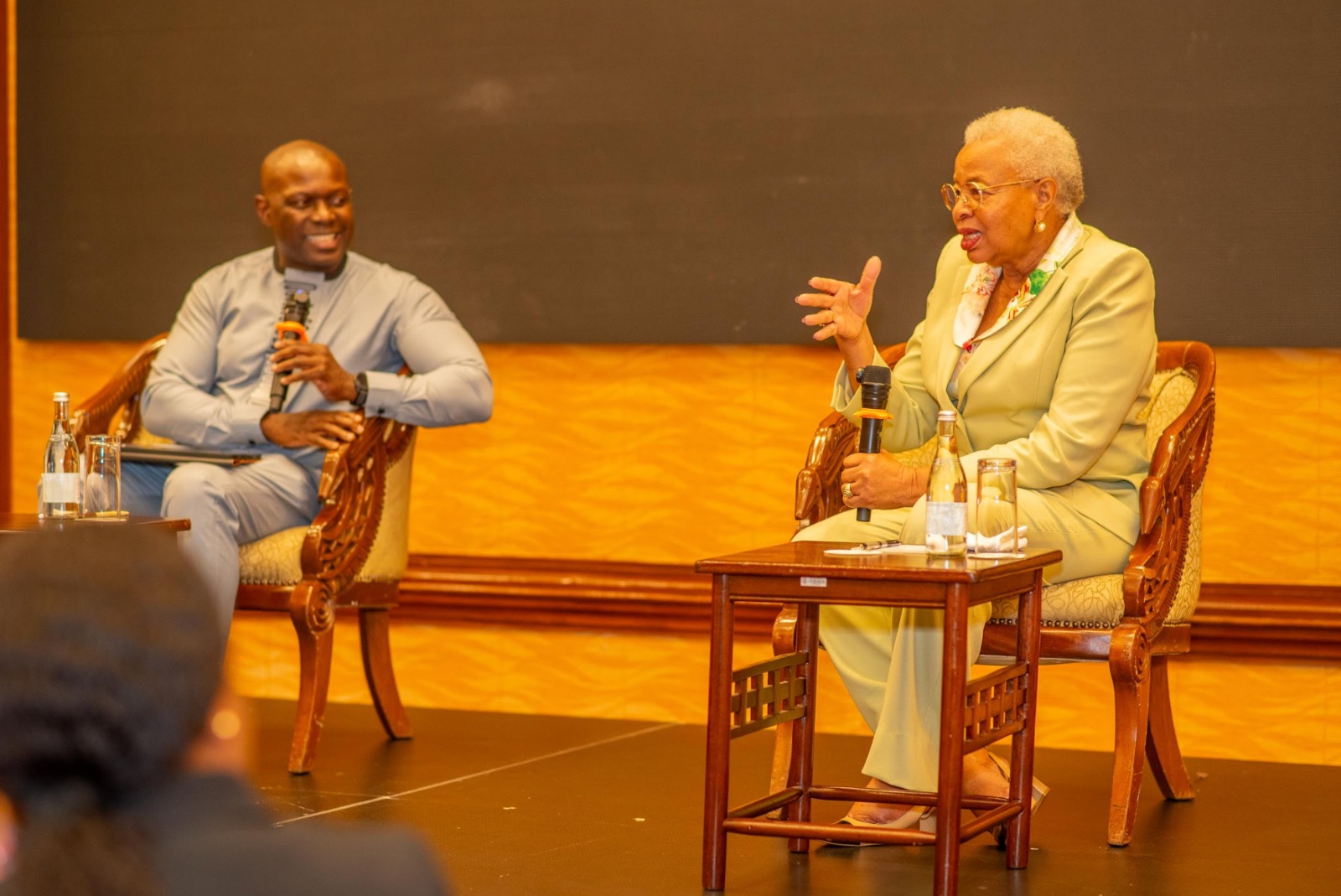
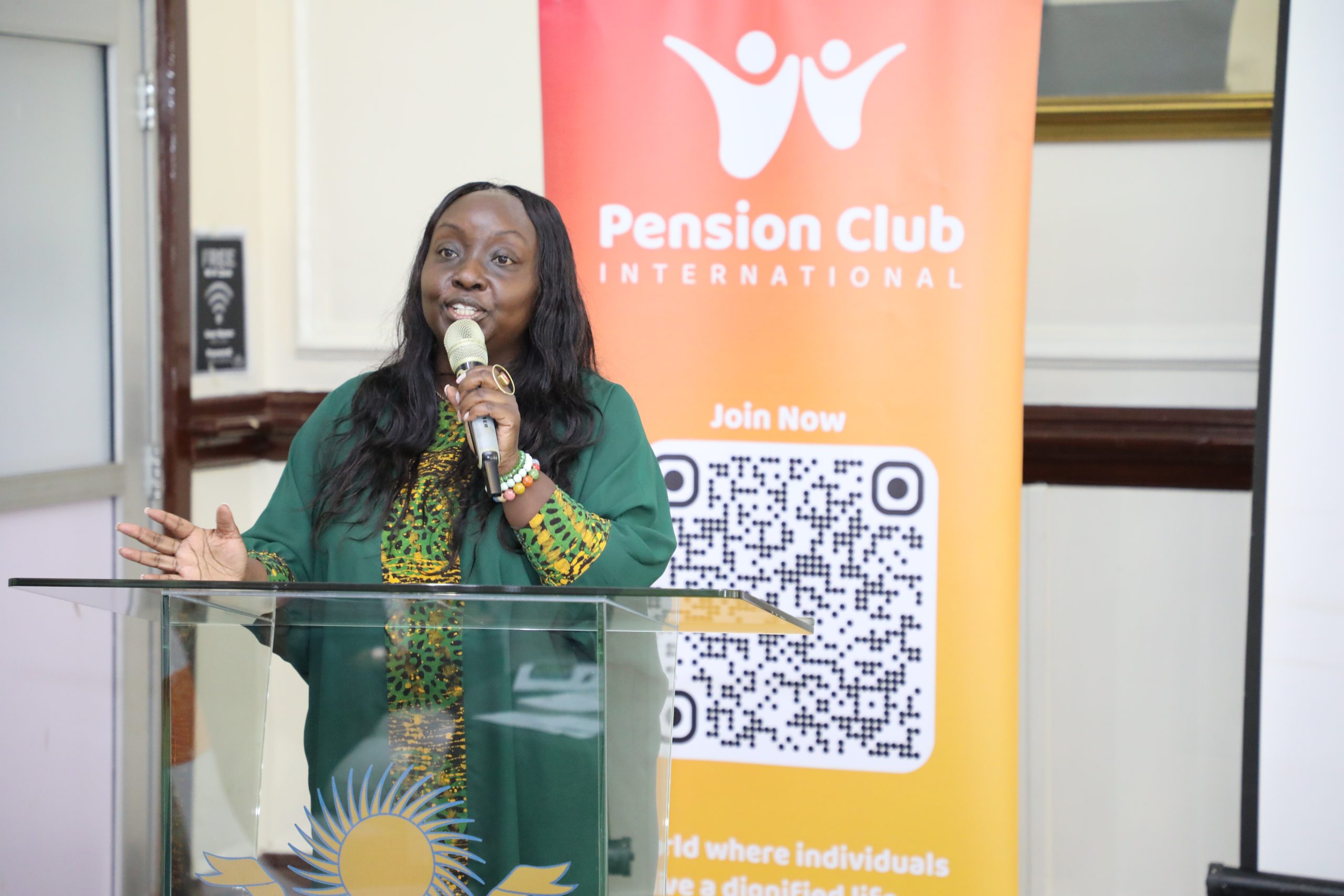
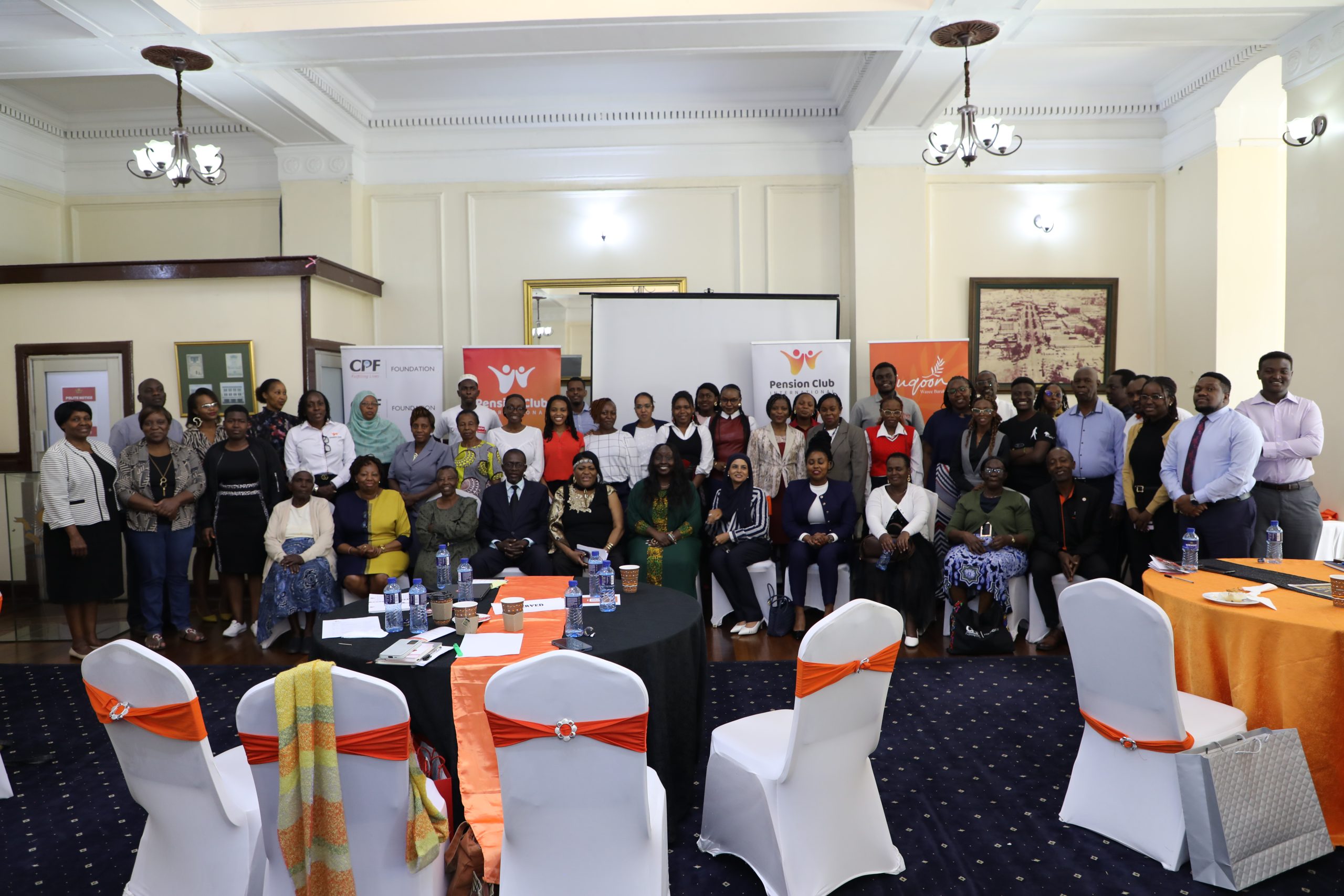
Speaking at the Pension Club International, I shared a simple but urgent proposition: pension funds are not development banks, but they can, and must, be strategic investors in Africa’s growth story. This is not a call for aid, but for partnership, discipline, and vision.


Money, meaning, and the lessons that shape us

Our relationship with money is often formed long before we manage it professionally. From earning my first income painting shops over the holidays, to experiencing the sting of being scammed as a student, to learning the discipline of paying down debt, each moment reinforced a powerful truth: ‘it is easy to lose money you didn’t make yourself, and harder, but transformative to grow what you earn with intention’.

 These “money-defining moments” shape how we invest, how we assess risk, and how we think about value beyond returns.


What smart investing really requires

At its core, sound investing rests on a few fundamentals:

This is where wealth management begins to evolve into something more ambitious.


From managing wealth to creating it

“I started my career in wealth management,” I often say, “but I will end it in wealth creation.”

Wealth management traditionally serves those who already have capital. Wealth creation focuses on helping people and businesses generate it in the first place. In Africa, this distinction matters deeply.

Our continent is young and restless. Most businesses operate informally. Women dominate the micro and small enterprise sector, often relying on savings groups, retained earnings, and limited networks. Capital is expensive, and access is uneven. Yet this is precisely where opportunity lies.


Unlocking pension capital for real-economy impact

Infrastructure, affordable housing, renewable energy, SMEs, these are not abstract development themes. They are the backbone of jobs, dignity, and long-term growth.

Pension funds have a fiduciary duty to meet future liabilities. With 10-year government bond yields hovering around 13% in Kenya and 16% in Uganda, alternative investments must compete on a risk-adjusted basis. This is why de-risking mechanisms matter, from guarantees and blended finance to first-loss capital and co-investment structures.

Done right, these tools allow pension capital to flow into productive, unlisted assets without compromising prudence.


What we look for when investing in entrepreneurs

Capital alone is not enough. We assess:

Pairing non-dilutive capital with technical assistance creates investment-ready pipelines that can safely absorb institutional funding.


Redefining impact and protection

Impact is not a buzzword. It is about:

At the same time, wealth must be protected through insurance, trusts, and thoughtful estate planning, and shared through acts of giving that extend beyond our immediate circles.


Investing without running the business

The future we are building is one where investors participate in growth without running enterprises, where pension funds own stakes in the real economy, and where local, patient capital supports local entrepreneurs earning in local currency.

As I concluded at Pension Club International: “We must not borrow our future. Pension funds can and should drive Africa’s development agenda, sustainably and inclusively.”

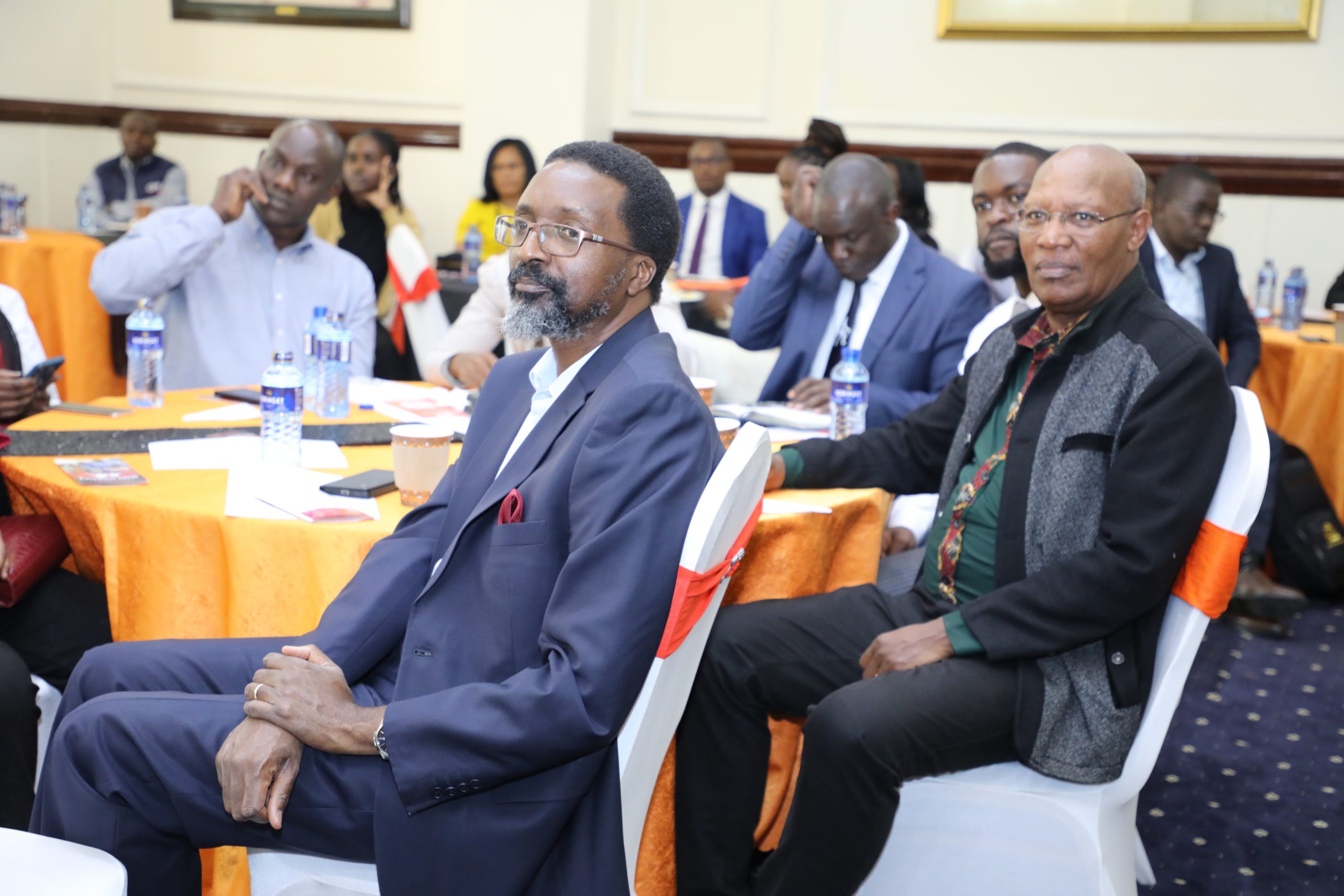
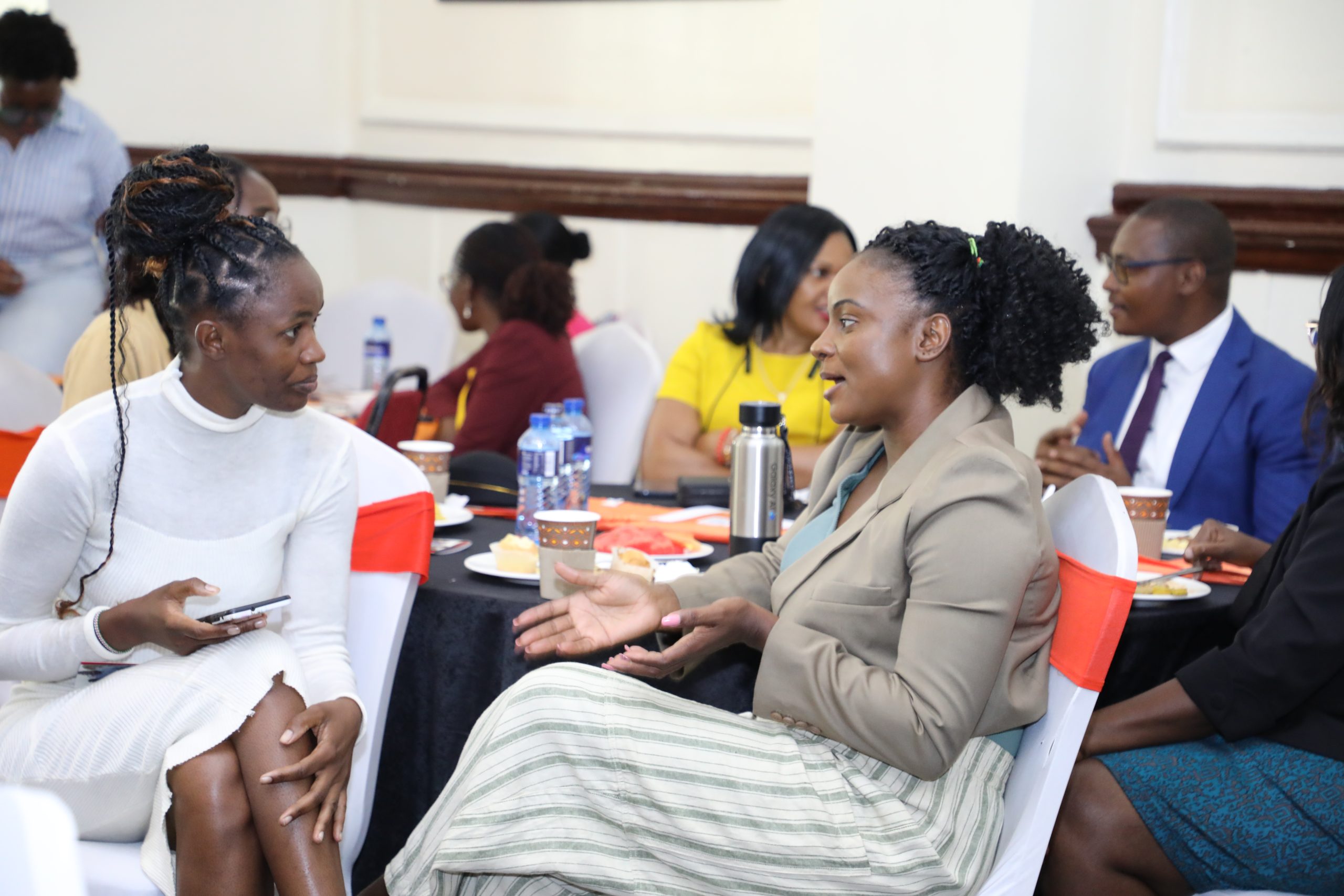
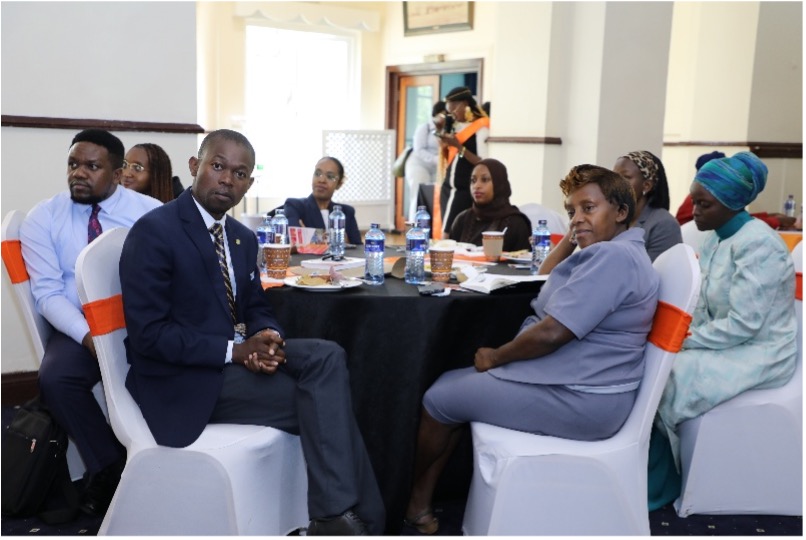
Remarks were made on December 10th at Nairobi Club hosted by Pension Club International | Kenya | Investment Planning which is promoted by CPF Foundation | Fulfilling lives |


We are pleased to invite you to a Deal Share Live session – Southern African Development Community Focus on 29 June 2023 from 3 pm to 4:30 pm EAT. For this live pitching session, we will feature a diverse group of Southern African Development Community entrepreneurs who have founded remarkable ventures across various industries. These eight high-impact enterprises’ deals are endorsed by the Graca Machel Trust’s  Afrishela and Women Creating Wealth programme.


About the Enterprises


Deka Foods
Deka Foods is an agri-business specializing in producing, aggregating & processing premium food products and distributing them at competitive pricing while ensuring freshness, quality, and variety. They offer nutritious, healthy, quality, and incredibly fresh ingredients at a competitive price point sourced from their supply chain and community of sustainable farmers and food producers, using technology to connect consumers with local small-scale farmers and food producers. They add value to the supply chain by carrying fresh produce in refrigerated delivery vehicles that improve the shelf life of the products, reduce food wastage and maintain quality. The company distributes and markets products locally to individuals, and high-end intermediary markets including hotels, restaurants, catering companies; and small shops and vendors. They have been in operation for over 3 years reporting revenues of over $200K with year-on-year growth of over 50% and projected growth of over 100%.
Funding Needed: $100,000 in Debt and Grants
Sector: Agribusiness


Homeland Farm
Homeland Farm is an award-winning Agri-business specializing in rearing chicken for meat and egg production. Has an established commercial layers farm for fresh eggs production and a broiler farm for chicken meat processing. They distribute and market products locally – 80% to vendors and agents, and 20% to mining sites. Their revenues are over $690K with over 30% and promising year-on-year growth
Homelands has Installed modern systems, processes and procedures within the business, grown from 2,500 layers in 2019 to 19,300 layers currently and Installed a modern arbortuor used solely for slaughtering and processing
Funding Needed: $230,000 in Debt and Grants
Sector: Agribusiness


Kazi Yetu
Kazi Yetu is a social enterprise that creates a range of products that are ethically sourced, traceable, and produced in East Africa – sources teas, herbs, and spices from farms around Tanzania, and processes, blends, and packs the teas into finished goods. Tanzania Tea Collection is the company’s flagship brand setting a benchmark for consumer goods for African agri-business. They distribute and market these products locally to hotels, supermarkets, and cafes, as well as internationally through distributors and online channels. With over $230K in revenues, healthy margins (up to 60%) and 40% year-on-year growth, they have seen their customer growth  to over 120 B2B customers in Tanzania and 80+ in Europe, with over 100 repeat clients
Funding Needed: $350,000 in Convertible Debt, Revenue Sharing Debt, Equity
Sector: Agribusiness


Denic Cabinets
Denic Cabinets offers end-to-end solutions – from design, manufacturing and installation of premium customized kitchen units, built-in cupboards and office furniture. The enterprise targets residential, corporate and retail customers and has recorded revenues of over $178K. They use bio-degradable processing material and local production through their own factor set-up that minimizes carbon emissions. Denic has completed jobs in several provinces in South Africa including Gauteng, Mpumalanga, Limpopo, Northwest, Zimbabwe & Zambia; and for clients including Eskom, St. Stithians Boys College along with wedding Stores, jewellery Stores, lingerie Stores.
Sector: Manufacturing


Sidern Trading Pty Ltd
Sidern is an enterprise that produces and sells a variety of table eggs including grade A large eggs, medium and small eggs, and speciality eggs such as omega-3 enriched eggs because of the quality feed. They sell their products to wholesale entities. The enterprise has seen growing revenues (over $27K) and high growth potential. So far, they have secured funding of >35K to grow the business, boosted capacity to 3500-layer eggs, taken part in Cochran fellowship program and attended a poultry course with the University of Georgia in USA-2017 and purchased their own land and refrigeration bakkie
Funding Needed: $300,000
Sector: Agriculture/Agribusiness


Maluba TV
Maluba TV is a woman-inspired media platform, that connects the diversity of African content with family and lifestyle, news, edutainment, reality, infotainment, documentary, tourism, climate change and current affairs content. Their content includes lifestyle content, innovation & digital technology, news & current affairs entrepreneurship documentaries. They have seen growing revenues (over $45K) and have a high growth potential. They have coverage to 750 homes in Zambia and reached an estimated 1,000,000 viewers on digital platforms through its partnered financial services corporate sponsors online presence Stanbic Bank Zambia and Zanaco Zambia. Maluba secured a partnership in December 2022 – with a global satellite services provider with a footprint in 100 million homes in Africa. This allows the massive scale-up of the advertising business revenues from global companies selling their products and services via TV and Digital online platforms across Africa and Europe.

Funding Needed: $250,000 in Grants and Equity

Sector: Communications


Home Industries
Home Industries is an agro-processing enterprise that processes rice, sunflower and groundnuts into brown and white rice, cold-pressed sunflower oil, peanut flour, and peanut butter for domestic and export markets. The company distributes and markets these products locally to women savings groups, education institutions, restaurants, various retail outlets, and individual vendors. They have held sustainable agricultural training for over 1,500 smallholder farmers growing rice, sunflower and groundnuts and Increased incomes for farmers that build climate adaptability
Home Industries has revenues over $150,000 with high growth potential and are fully certified by the Malawi Bureau of Standards (MBS), and the Food and Drug Administration (FDA) in the U.S.
Sector: Agribusiness


Wijays Enterprise
Wijays manufactures soaps, detergents, cosmetic products, essential and herbal oils, edible cooking oil, and supplies medical equipment and protective wear. The company targets individuals, schools and hospitals and has been in operation for over 5 years. The enterprise’s local production minimizes carbon emissions. Wijay’s revenues are over $85K. They are certified by Malawi Bureau of Standards and their brands carried in nearly all reputable national distribution chains like Sana, Chipiku, Farmers World, Save Mats among many others
Funding Needed: $150,000 in Debt
Sector: Manufacturing


REGISTER HERE 

Andia Chakava is an Investment Director at the Graça Machel Trust and a global thought leader in gender lens investing

Graça Machel Trust is a Pan-African advocacy organisation focused on child health and nutrition, education, women’s economic and financial empowerment, leadership and good governance. Over the last nine years, the Trust has worked to “Multiply the Faces and Amplify the Voices” of African women and children. The Graça Machel Trust acts as a catalyst, working across the continent to advocate for the protection of children’s rights and dignity and amplify women’s movements by harnessing and promoting their contributions to the economic, social and political development of Africa.

How does your investment team integrate impact goals into your due diligence process?

We integrate impact goals into our due diligence process from the beginning of the investment process. From the pipeline building and deal sourcing stage, we are attracting, selecting and reviewing companies that are already generating impact, have a high potential for impact or have founders that are committed to creating and elevating impact.

Our due diligence starts at the screening process which is three-tier: starting out in the selection process which prefers founders that have undergone some kind of investor readiness program to strengthen financial literacy and demonstrate traction and commitment.

Second is our invitation to them to fill out our evaluation form which asks questions that touch on impact objectives that matters to us most such as having: deliberate gender equality and balance in the composition of the staff and leadership complement, specific product and services offered catering to underserved female segments, demonstrate inclusion of youth with a bias on young women and integrating the informal and rural economy either directly and indirectly through supply chains with tangible and measurable impact on improved incomes and livelihoods. We are currently in the process of integrating climate goals recognizing the intersectionality and central role gender plays in realizing this whilst aligning to our target sustainable development goals SDG 5 Gender Equality, SDG 8 Decent Work and Economic Growth, SDG 10 Reduced Inequalities and SDG 13 Climate Action.

Once the first level (negative) screening demonstrates that the businesses are worth unpacking due to alignment to our investment strategy, we further screen it with more opportunistic rigour understanding the commercial viability, and scalability and to identify the focus impact levers. This includes the ones that already exist and the ones that can be accelerated and enhanced with investment. We then engage further with the entrepreneur for more information and clarification.

During due diligence, we seek to confirm information on impact gathered so far as well as assess, collaboratively with the entrepreneur, the potential impact risks for mitigation and impact opportunities we can leverage and maximise during the portfolio management stage. It is here we are able to establish the entrepreneur compatibility, willingness, attitude and ability to drive growth embedded with impact goals so we can mutually agree on gaps, anticipated traction and outcomes over a targeted period including course corrective measures when the need arises.

We have found that entrepreneurs that we often work with are committed to the impact they make on the community and embrace the opportunity to widen and deepen their impact through innovative solutions that uplift and empower the marginalized.

Ultimately the decision to invest will rest with our investment committee after we have tabled investment recommendations that demonstrate not only the attractive return profile but the impact potential and additionality supported by our ability to align incentives and provide technical assistance support to achieve value creation.

How does innovative finance help you maximize impact?

Innovative finance has helped us widen the net to include entrepreneurs that may not necessarily qualify for finance using traditional instruments. We are deliberately focused on financial structures that cater towards entrepreneurs with limited access to collateral, are in early growth stages, and participate in sectors that may be perceived as unpredictable whilst avoiding predatory terms.

We also consider and include less sexy industries such as retail and trade sectors where many women operate whilst recognizing the unique and growing opportunities available to women in male-dominated sectors such as technology, manufacturing and energy. We are also deliberate about influencing the power dynamics of women in the agricultural and health sectors. Thus, we need to be open to various financial structures based on the stage, sector and return profile of the business.

It is not clear cut and is not a one size fits all approach when we would apply a revenue-based, royalty based or impact-linked instrument but would align terms based on the growth potential, forecasts and traction.

Our mitigation strategy is to apply a milestone-based approach as we deploy funds before we double down in order to understand the nature of the business better and the external environment within which it operates. We will also be rewarding qualifying entrepreneurs who exceed our return thresholds and demonstrate exceptional impact with technical assistance to grow further when their eligibility for a second round of financing is secured.

So being able to achieve greater impact, say, reach a large number of young and informal women through the businesses we support to ensure increased incomes across value chains makes us willing to be more flexible on terms without compromising on return profiles. Factors such as lengthening grace periods before the first repayment, allowing bullet payments periodically, supporting LPO and supply chain financing for businesses that have large orders or providing patient and growth capital to innovative and promising businesses allow many early growth-stage businesses to breathe and flourish.

How do the AVPA Deal Share Platform and Deal Share Live support your work?

It supports our work by providing access to investors that are part of the AVPA Deal Share Platform. It allows us, being emerging managers, to deploy the funds as we receive them thus boosting our track record and enabling us to meet the growing capital needs of entrepreneurs by inviting other investors to co-invest alongside us.

The platform also increases the visibility of gender lens investment deals showcasing them to the market and building more evidence for the field. In April 2022, we had the opportunity to co–host an investor showcase with AVPA which attracted 15 angels from a Nairobi-based angel network, NAIBAN, who were interested in investing with a gender lens.

Four East Africa-based tech-enabled businesses pitched their offering during the event, showcasing different technology-driven solutions in transport, e-commerce, financial services and education. Our entrepreneurs benefited from valuable feedback from the investors to strengthen their offering in relation to demonstrating clarity around ownership structures and operating models, articulating their unique value proposition and business competitiveness, showing a clear route to market for regional expansions, clear risk mitigation incorporated within business models, especially for financial services solutions.

As the promoters of our pipeline, we learned from the experience to align expectations with an investment category such as Angel investors that we are not often exposed to.

We look forward to collaborating further to continue to offer entrepreneurs in our community access to meet different categories of investors who are keen on making an impact whilst earning returns through the AVPA deal share platform.

Andia Chakava is the Investment Director at the Graca Machel Trust, a Pan African organisation that deals with women’s and children’s rights through a gender lens investment vehicle and other programmes. We spoke to her about regional gender and JEDI nuances on the continent, the importance of working with local women’s networks, and the Trust’s participatory investment processes.

Tell us more about the specific gender and JEDI nuances in your work and region.

This is a fund targeted at indigenous African women across the continent, starting with East and South Africa. Building the fund helped me be more aware of some of the regional nuances, as well as some of the country differences. Africa is very diverse. It has a colonial background; some parts are English speaking, some parts are French speaking, and some parts speak Portuguese. And almost every one of them has different relationships with the parties that colonised them, and [different] cultural attitudes that were formed.

The African continent also has ethnicities, and some of these transcend country barriers. So you might find the Maasai in both Kenya and Tanzania. You will also find the Shona in Zimbabwe, South Africa, and Kenya, for example. So some of the boundaries that were created were artificially drawn, with similarities across them. As an investor, this means that just being an African or being a woman does not automatically mean that I understand the nuances on the ground. So how do we work with that? We have a network strategy, we have about 17 networks in the African continent, and we’ve been building these networks from the ground up. So in countries where they already have women’s associations, we don’t try and reinvent the wheel, we help those existing associations to strengthen themselves. But if a sector has been marginalised, or is quite male dominated, or needs our added support, we can also actually create the network for women to convene. We’ve done this for women in the media, and women in finance. So why are the networks important?

Working in Africa is very participatory. You need feedback from people on the ground in terms of the local context. Just because you have managed to execute something in one particular country, it does not necessarily mean that you can take the same package and make it into a regional project. Because the countries are so different and not all of them are part of regional blocks [with common characteristics and cultures].

Are there any examples of investments to help illustrate that?
We do all of our work through networks, and we put the countries at the heart of the solution. There are a couple of investments that we have done both in Zambia and in Kenya. We worked very closely with the women’s groups there to identify the source of the problem, and also support with the quality of the pipeline, because with due diligence not everything shows up in the documents that you’re given. There’s a lot of informal discussions about the integrity of the entrepreneur that you’re working with, the track record, what’s actually happening on the ground in the sector.

Within our investment process, because we’re a thin team, we’re still in the process of fundraising. So we created two types of screening: a first level screening on a country basis, where we get local parties to give us input on a particular deal. That’s the only time it comes forward. Then we can put it through a more technical gender alignment screening. The main point there is making sure that we’re not appearing to be the experts.

This diversity doesn’t only exist on a country level. For instance, we have noticed that despite being Africans, and despite being on the continent, we don’t really have any structured mechanisms for engaging women in the informal sector. And that’s because a lot of these businesses are not registered, they are home based, and it’s become even harder to reach them, especially during COVID unless there’s particular market days. So we’re looking at the businesses that we are investing in, and the businesses that we’re thinking of investing in and deliberately integrating the informal sector within the supply chain. A lot of women have been branching into manufacturing, where a lot of the raw materials can be sourced on a community basis and we find it more efficient, rather than us gathering that data ourselves, to work through and really support the companies with the ability to reach a lot of women across different socio-economic backgrounds. That’s something we’ve had to be deliberate about. Because if we didn’t specify it, then we might just be dealing with one particular class, and that’s the class that maybe has the access to data, and the access to networks. We have to be able to recognize who is not in this room, and who is not able to be in this room because they don’t have the privilege. How can our investment strategy also include them?

Any final pieces of advice or learning for investors at an earlier stage in this work?
I think one of the reasons people don’t take this approach is that it’s hard work. Building relationships takes time. Especially since we might not be convening the way we used to. I would just challenge people when they do business in Africa, to also go beyond their original network, whether it’s a business school network or a consultancy network, and learn a bit more about the region they’re investing in. Even as a tourist. [This will help them] understand how patriarchy is playing out in an African context, in terms of different disclosures that businesses are willing to make, in terms of how they’re run, the level of transparency or media exposure they want to have because of backlash within the community. It allows investors who are looking at technical assistance programs to support the success of the investment and drive value creation.